Classic Cheese Pizza Recipes You Need to Try
@deanhihm684
November 9, 2026 · 19 min read
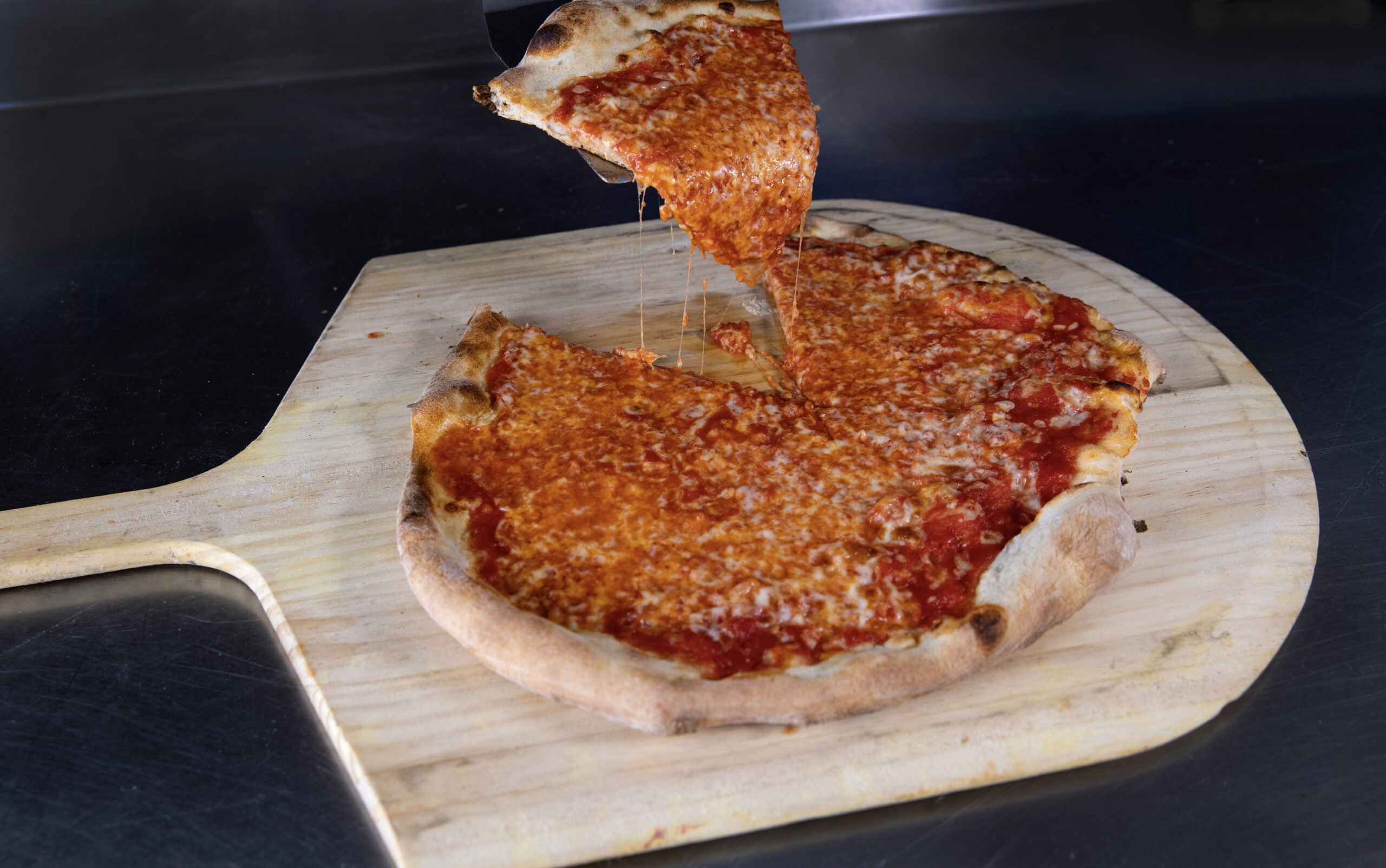
Cheese pizza has a way of exposing every shortcut a cook tries to take. With a heavily topped pie, a weak dough or flat sauce can hide under sausage, peppers, olives, and onions. A plain cheese pizza has nowhere to hide. You taste the flour, the fermentation, the salt level in the sauce, the melt of the mozzarella, the balance between crisp bottom and tender crumb. That is exactly why it remains the benchmark in serious pizzerias and home kitchens alike.
After years of baking pizza in home ovens, deck ovens, and the occasional temperamental rental kitchen, I have come to appreciate that great cheese pizza is less about complexity and more about restraint. The best versions are not overloaded. They are deliberate. A good cheese pizza asks a few ingredients to do a lot of work, which means each one has to earn its place.
What follows is not one rigid formula, but a set of classic cheese pizza recipes worth making and understanding. Each represents a different style, each teaches something useful, and each can be pulled off in a normal home kitchen with some planning.
The case for starting with cheese pizza
People often treat cheese pizza as the default option for picky eaters or children, but that misses the point. At its best, it is the purest expression of pizza craft. The dough contributes structure and flavor. The sauce brings acidity and sweetness. The cheese supplies richness, stretch, and browning. The oven decides whether those elements meet as a unified whole or fall apart into separate parts.
That simplicity also makes cheese pizza one of the best dishes for building skill. If your crust browns too fast, you will notice. If your sauce is watery, the center will tell on you. If your cheese splits into grease, you will see it almost immediately. That kind of feedback is useful. It turns every pie into a lesson.
There is also a practical reason to master a few classic versions. Cheese pizza is forgiving with leftovers, easy to scale for a crowd, and adaptable to different equipment. A heavy steel, a baking stone, a cast-iron pan, or a sheet tray can all produce excellent results when the formula matches the method.
What really matters before you start
Flour, tomatoes, cheese, and heat are the obvious pillars, but technique matters just as much. The biggest difference between mediocre homemade pizza and memorable homemade pizza usually comes down to fermentation and moisture control.
A dough mixed and baked on the same day can be pleasant, especially if you are making a pan pizza. But if you want deeper flavor and better texture in a classic hand-stretched cheese pizza, cold fermentation is hard to beat. Even 24 hours in the refrigerator improves extensibility and taste. At 48 to 72 hours, the dough becomes more nuanced, easier to shape, and often more digestible for many people.
Moisture is the second point most home cooks underestimate. Fresh mozzarella sounds luxurious, but if it is not drained well, it can flood the pie. Sauce that tastes perfect in a bowl may be too loose once it hits the dough. Even a warm kitchen can make shaping harder by softening the dough before it reaches the oven. Cheese pizza rewards small acts of discipline.
The foundational dough that supports almost everything
If you plan to make several styles over time, it helps to keep one reliable dough in your back pocket. For most classic cheese pizza recipes, I like a dough that sits around 62 to 65 percent hydration, with 2 to 3 percent salt, a modest amount of yeast, and enough resting time to develop flavor. Bread flour gives more chew and structure. All-purpose flour gives a slightly softer bite and is often easier to handle. Either can work.
For a practical home batch, 500 grams of flour is a comfortable starting point. That amount makes two medium pizzas or one larger tray style pie, depending on thickness. Add about 315 grams of water, 12 grams of salt, 2 grams of instant yeast if using an overnight room-temperature method, or less if the dough will spend longer in the refrigerator. A teaspoon or so of olive oil is optional. It softens the crumb slightly, though some purists skip it for leaner styles.
Mix until no dry flour remains, let it rest for 20 minutes, then knead briefly until smooth. You do not need an aggressive knead if time is on your side. A few folds during the first hour can do plenty of development work. Refrigerate the dough after it has relaxed a bit, then divide and ball it before the final rise if that suits your schedule, or ball it after the cold ferment. Both approaches work, though balling before refrigeration tends to make service easier later.
These checkpoints help more than exact clock-watching:
- The dough should feel smooth and slightly tacky, not shaggy or stiff.
- After fermentation, it should stretch without snapping back aggressively.
- A properly proofed dough ball looks puffy and alive, not dense and tight.
- If the dough tears while stretching, it usually needs more rest, not more force.
- Dough taken straight from the refrigerator almost always fights you, so give it time to warm slightly.
Those cues matter because kitchens differ. Winter flour behaves differently from summer flour. Humidity shifts things. So does the brand of flour. Recipes give direction, but dough texture gives the final answer.
New York style cheese pizza, the foldable classic
For many people, the first truly iconic cheese pizza is New York style. It has a thin but not cracker-thin crust, a crisp underside, a flexible slice, a modest rim, and enough structure to fold down the center without collapsing. The cheese is usually low-moisture mozzarella, often whole milk or a blend of whole milk and part-skim for better balance between richness and browning.
A good New York style pie starts with a well-fermented dough and a very hot surface. At home, a pizza steel usually outperforms a stone because it transfers heat more aggressively. Preheat it for at least 45 minutes, preferably an hour, at the highest oven setting. If your oven has a broiler, using it strategically near the end can help with the top color.
The sauce should be simple. Crushed tomatoes, salt, a touch of olive oil, and maybe a pinch of oregano or a tiny grating of garlic are enough. Many home cooks oversauce this style. That is the fastest route to a soggy center. A thin, even layer is ideal. You want coverage, not a soup base.
When shaping, leave a modest edge and press from the center outward. Resist the urge to use a rolling pin unless you are after absolute uniformity at the expense of airy texture. A hand-stretched shell retains more character. Once sauced and topped with evenly scattered shredded mozzarella, bake until the crust is deeply browned in spots and the cheese is bubbling with a mix of ivory, gold, and toasted brown freckles.
What makes this style special is balance. The slice should feel light in the hand, even if it has good chew. When it is right, the cheese pizza tastes savory and clean rather than heavy.
Neapolitan-inspired margherita-adjacent cheese pizza
Purists will point out that a classic margherita has tomato, mozzarella, basil, and olive oil, which places it slightly beyond plain cheese pizza. Fair enough. But from a practical home-cooking perspective, a minimalist Neapolitan-inspired pie deserves a place here because it teaches a completely different relationship between dough, heat, and cheese.
This style prefers a softer, wetter dough and very high heat. In a dedicated pizza oven running in the 750 to 900 degree range, the pie can finish in 60 to 90 seconds. In a home oven, you can imitate some of that character with a steel and broiler, though you will not duplicate the exact leopard spotting of a wood-fired floor.
Use a gentle hand with the toppings. San Marzano-style crushed tomatoes or another good canned plum tomato, crushed by hand with salt, work beautifully. Fresh mozzarella should be torn or sliced and drained on paper towels before baking. Too much water, again, is the enemy. A few leaves of basil added after or just before the bake can work, depending on how intense you want the herb flavor.
The crust here should be more tender than crisp, with a pronounced cornicione and an almost custardy layer just beneath the blistered exterior. That texture can surprise people who are used to firmer American pizza. It is supposed to be softer in the center. You often need a fork and knife for the first minute or two. Once it cools slightly, the structure settles.
This version of cheese pizza is all about ingredient clarity. Good tomatoes taste brighter because there are so few distractions. Good mozzarella tastes milky rather than merely fatty. It is the style I make when I want to remind myself how little a pizza actually needs.
Sicilian cheese pizza, generous and deeply comforting
When I am feeding a group, Sicilian or grandma-style pizza often wins over round pies. It is practical, crowd-pleasing, and wonderfully forgiving. The dough bakes in a well-oiled rectangular pan, which means the crust develops a fried, crunchy bottom while staying airy inside. Cheese pizza in this style feels substantial without being cumbersome.
Sicilian dough is usually higher hydration than a classic New York dough, and it benefits from gentle handling. Instead of shaping into a tight disk, you stretch and coax it into an oiled tray, often in stages, allowing it to rest if it resists. The final texture should be open and fluffy, with a crisp shell.
There are regional variations in assembly. Some bakers put cheese directly on the dough, then sauce over the top. Others sauce first. Putting cheese under the sauce can reduce scorching and create a particularly lush bite. Low-moisture mozzarella is still the workhorse, though adding a little provolone can deepen flavor.
The bake is longer than with a thin pie, often 15 to 20 minutes or more depending on pan depth and oven strength. A properly baked Sicilian cheese pizza should have a dark golden underside, not a pale one. If the bottom is blond and limp, it likely needed more time or a lower oven rack position.
One advantage of this style is how well it holds for serving. A round pie is at its peak in a brief window. Sicilian slices stay enjoyable longer, which matters for parties and family dinners where everyone is not seated at the same second.
Grandma-style cheese pizza, the weeknight overachiever
Grandma pizza sits near Sicilian in the family tree but has its own personality. It is thinner, usually less airy, often baked in a rectangular sheet pan, and can be made with a dough that is easier to manage on a home schedule. The result is crisp-edged, lightly chewy, and extremely snackable.
A good grandma-style cheese pizza has a restrained layer of sauce and enough cheese to bind the surface without smothering it. It should not feel bready in the way that a thick pan pizza can. Instead, think of a pie that lands somewhere between a classic New York slice and a pan-baked square.
This is an excellent style for cooks who want less stress around shaping. There is no dramatic hand-tossing. You stretch the dough gently into an oiled pan, let it relax if needed, then dimple it into the corners. Because the dough is not carrying the burden of a large unsupported launch, it is approachable and reliable.
I have also found that grandma-style Cheese Pizza cheese pizza is one of the best ways to use blends. Mozzarella on its own is excellent, but a small amount of pecorino or parmesan over the top adds edge and aroma. Not enough to dominate, just enough to sharpen the finish.
Tavern-style cheese pizza, crisp and square-cut
Tavern-style pizza deserves more attention than it often gets outside the Midwest. This is the opposite of the puffy-rimmed artisan pie. It is rolled or stretched very thin, baked until crisp, and cut into squares. The cheese reaches almost to the edge, and the whole experience is built around crunch.
What makes a tavern-style cheese pizza work is confidence. If you underbake it, it tastes flat and forgettable. If you bake it properly, the crust becomes shatteringly crisp while the cheese browns in a deeply savory way. The sauce should be assertive enough to register through the crust and cheese, often a little more seasoned than in a Neapolitan pie.
Because the dough is thin, docking can help prevent excessive bubbling. A roller docker is handy, but a fork works. Use restraint with the sauce and a firm hand with the cheese distribution. Uneven cheese on a thin crust produces uneven baking fast.
This style is especially good for casual gatherings because it invites grazing. People pick up a square, eat it in two bites, then come back for another. It disappears faster than expected.
The cheese question, and why mozzarella is only the starting point
Ask ten pizza makers what the best cheese is for cheese pizza and you will get at least twelve opinions. Mozzarella is the obvious center of gravity, but not all mozzarella behaves the same.
Low-moisture mozzarella is the standard for many American styles because it melts evenly, browns well, and releases less water. Whole milk versions taste richer and softer. Part-skim versions often brown more readily and can feel a bit springier. Fresh mozzarella brings delicate dairy flavor but demands draining and moderation. Buffalo mozzarella is luxurious, but in a home oven it can be tricky to manage without excess moisture.
Blending cheeses is where experience shows. A little provolone adds tang and depth. A restrained amount of fontina can increase melt and nuttiness. Hard grating cheeses, used lightly, sharpen the aroma. Too much of any stronger cheese and the pizza starts tasting less like cheese pizza and more like a cheese board melted over bread. There is a difference.
For most classic applications, I tell people to start with one reliable mozzarella and learn its behavior. How finely should it be shredded? Does it brown quickly? Does it release oil? Once you understand those traits, blending becomes purposeful rather than random.
Sauce is not an afterthought
Bad sauce can ruin a great crust. Cheese pizza depends on sauce that is vivid but not domineering. It should taste fresh, even when made from canned tomatoes. It should season the pie, not drown it.
For New York and grandma-style pizzas, I prefer uncooked sauce more often than not. Good canned tomatoes, salt, maybe a little olive oil, perhaps a pinch of oregano or garlic, and that is it. The oven cooks it enough. For Sicilian styles, where the bake is longer and the dough thicker, a lightly cooked sauce can make sense because it reduces excess water and rounds the flavor.
Sugar is not always wrong, but it is too often used to fix poor tomatoes or over-acidic sauce. Start by choosing better tomatoes and salting carefully. If the tomatoes are sharply acidic, a very small pinch can help, but it should not turn the sauce sweet.
One detail professionals pay attention to is particle size. A very smooth sauce spreads easily, but it can also feel flat. A coarser hand-crushed sauce has more texture and often tastes livelier. Again, style matters. Thin tavern-style pies often benefit from smoother sauce. A rustic pan pizza can carry something rougher.
Baking in a home oven without frustration
Home ovens are imperfect pizza machines, but they can still produce serious results. The trick is to work with their strengths. Most household ovens do not heat from below the way pizza ovens do, so storing heat in a steel or stone becomes important. Steel is often better for faster bottom browning. Stone is a bit gentler and can be more forgiving for longer bakes.
Preheating is non-negotiable. A rushed oven gives you pale crust and overcooked cheese. Position also matters. For many ovens, the upper-middle rack helps balance bottom heat from a steel with top color from ambient heat and broiler use. For pan pizzas, a lower rack can improve the underside.
If you are launching from a peel, use enough flour or semolina to prevent sticking, but not so much that it burns into bitterness on the steel. Work decisively. The longer a topped pizza sits on the peel, the greater the chance of trouble. If that sounds stressful, parchment can help for the first minute or two of baking, though it may slightly limit direct bottom contact.
These are the mistakes I see most often with homemade cheese pizza:
- Using too much sauce, which almost always leads to a wet center.
- Adding fresh mozzarella without draining it thoroughly.
- Underheating the baking surface.
- Stretching cold dough straight from the refrigerator.
- Pulling the pizza before the crust has truly browned.
Most of those problems are easy to fix once you recognize them. Pizza is iterative. The second pie is often better than the first because the baker has already adjusted.
Three classic cheese pizza recipes worth repeating
A blog about classic cheese pizza should leave you with a few dependable paths, not just general advice. These three are the ones I return to most.
The weeknight New York style pie
Use half of the foundational dough recipe, fermented for at least 24 hours. Bring it to room temperature for about 60 to 90 minutes, depending on kitchen warmth. Stretch to roughly 12 to 14 inches. Apply a thin layer of uncooked tomato sauce, then cover lightly but evenly with shredded low-moisture whole milk mozzarella. Bake on a fully preheated steel at your oven’s maximum temperature until the rim is blistered and the cheese has browned in spots. Finish with a small shower of grated pecorino if you like a sharper finish.
This pie teaches proportion. It is the one I recommend first because it rewards attention and exposes excess.
The Sunday Sicilian square
Make a slightly wetter dough or use the base dough with an extra splash of water next time if you want more openness. Oil a rectangular pan generously. Let the dough relax into it over one or two rounds of stretching. Add slices or shreds of low-moisture mozzarella, then spoon over a restrained amount of sauce. Bake until the edges are deeply caramelized and the bottom crackles when lifted with a spatula.
This is the cheese pizza I bring to gatherings where I know conversation will run long and plates will refill casually.
The crisp grandma pan pie
Use a thinner layer of dough in a well-oiled sheet pan. Stretch it close to the corners, let it rest, then press it fully into place. Top with a modest coating of sauce, shredded mozzarella, and a final dusting of hard grating cheese. Bake until the edges are frico-like and the bottom is evenly browned. Let it sit for a few minutes before cutting.
This style converts skeptical home cooks because it feels achievable and still tastes distinctive.
Small adjustments that make a big difference
Salt in the dough matters more than many first-time bakers think. Under-salted dough tastes dull no matter how good the cheese is. Olive oil brushed on the rim can improve color in some home ovens, though it is not traditional for every style. Grating your own cheese instead of buying pre-shredded often improves melt because anti-caking agents can interfere with texture.
Even the cut matters. A large triangular slice cools and flexes differently from a small square. That changes how the crust is perceived. So does resting time. Straight-from-the-oven pizza can seem looser and less structured than it actually is. Give it one or two minutes, especially for wetter styles.
One lesson that took me longer than it should have is that great cheese pizza is often a touch darker than timid bakers are comfortable with. Pale crust rarely tastes complete. Browning is flavor. The difference between lightly colored and deeply golden can be the difference between good and excellent.
Why these classics still hold up
Trends come and go. Hot honey, vodka sauce drizzles, stuffed crust revivals, and novelty toppings all have their place. But classic cheese pizza endures because it gets the fundamentals right. It is satisfying without gimmick. It scales from a quick lunch slice to a carefully planned weekend bake. It can be rustic or exacting, humble or elegant.
More than that, it gives cooks a framework for judgment. Once you know what makes a sharp New York slice work, or why a Sicilian pan pie needs stronger bottom heat, every other pizza becomes easier to understand. Cheese pizza trains the palate and the hands at the same time.
If you make these styles with care, you will start noticing details that used to blur together, the difference between milky melt and oily melt, between a crust that crackles and one that merely feels dry, between bright tomato flavor and generic red sauce. That is when pizza making becomes genuinely interesting. The recipes stop being instructions and start becoming tools.
And that, more than novelty, is why these classic cheese pizza recipes deserve a permanent place in your kitchen.
Brooklyn Pizza
1647 Arapahoe Ave
Boulder, CO 80302
+1 720-328-2324
FAQ About Cheese Pizza
What type of cheese is used on a cheese pizza in Boulder, CO?
The cheese varies by pizzeria. Brooklyn Pizza uses whole-milk mozzarella made in-house on its standard pies and offers a plant-based cheese option for vegan pizza. Ask the shop directly about ingredients if you have a dietary restriction.
How many slices are in a large pizza in Boulder, CO?
Slice count depends on how the shop cuts the pie. Brooklyn Pizza lists a 16-inch large pizza. If you are ordering for a group, call to confirm the number of slices or ask whether a smaller cut is available.
What is New York style pizza in Boulder, CO?
New York-style pizza usually has a thin crust and wide slices that can be folded. A classic cheese slice pairs tomato sauce with mozzarella. Brooklyn Pizza serves New York-style pizza by the slice and as whole pies.