What Is the Best Cheese Blend for Pizza?
@deanhihm684
November 9, 2026 · 13 min read
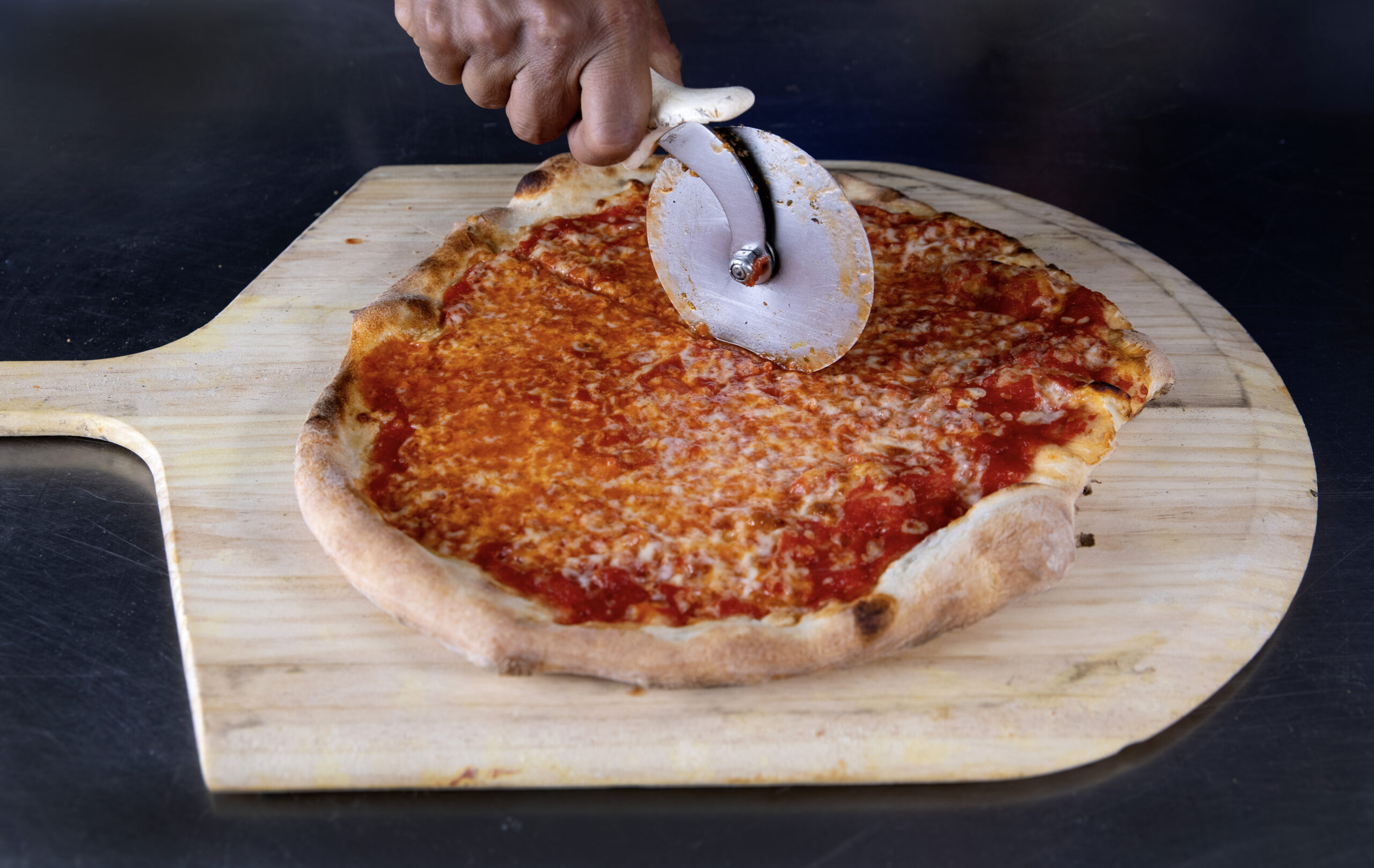
The best cheese blend for pizza depends on the style you want to bake, the oven you are using, and the eating experience you are after. That may sound like a hedge, but it is the honest answer. A blistered Neapolitan pie baked in 90 seconds wants something very different from a New York slice that needs to fold cleanly, or a pan pizza that should stretch in long, dramatic strands when you pull a square from the tray.
If you want the short version, the most reliable all-purpose answer is low-moisture mozzarella supported by a smaller amount of one or two secondary cheeses. For many pizzas, a blend of about 70 to 85 percent mozzarella with 15 to 30 percent provolone, fontina, Monterey Jack, Parmesan, or pecorino gives the best balance of melt, browning, flavor, and structure. That is the blend I return to most often when I need a pizza to please a table with mixed tastes and no margin for disappointment.
Still, the details matter. Cheese can make a pizza supple or greasy, sweet or sharp, lush or heavy. It can protect the crust from sauce, or flood it. Cheese Pizza It can brown beautifully, or scorch before the dough is done. The right blend is less about luxury and more about function.
What pizza cheese is really supposed to do
A lot of people judge pizza cheese by one thing, the pull. Stretch matters, but it is only one part of the job. On a good pizza, cheese has to melt evenly, hold moisture without leaking too much fat, carry flavor without overwhelming the sauce, and brown in a way that makes the surface look appetizing instead of burnt or pale.
Mozzarella became the standard because it does most of those things better than almost anything else. It melts smoothly. It stretches. It tastes milky and clean rather than aggressive. It also sits comfortably with tomato sauce, which is more important than people realize. Some cheeses taste wonderful on their own and muddy the pizza the moment they meet acid and heat.
That is why the best cheese blend for pizza usually starts with mozzarella and builds outward. You are looking for support, not chaos.
Why mozzarella is the anchor
Low-moisture mozzarella is the workhorse of American pizza making. It shreds easily, melts predictably, and contains less water than fresh mozzarella, which makes it easier to manage in home ovens. When people think of classic Cheese Pizza, this is often the texture they are picturing, a cohesive blanket of cheese with a little blistering on top and enough elasticity to stretch without sliding off in one sheet.
Fresh mozzarella is a different ingredient. It can be excellent, but it behaves differently. It contains more water, and that moisture has to go somewhere. In a very hot oven, especially on a Neapolitan-style pizza, fresh mozzarella can work beautifully because the crust sets fast and the bake is short. In a home oven running at 500 to 550 degrees Fahrenheit, fresh mozzarella often releases liquid before the crust fully bakes, leaving puddles and a Cheese Pizza Brooklyn Pizza soggier center.
Part-skim versus whole-milk matters too. Whole-milk low-moisture mozzarella generally melts richer and softer, while part-skim gives a firmer set and more controlled browning. Neither is universally better. Whole-milk feels more indulgent. Part-skim can produce a tidier slice. Many pizzerias quietly use a mix of both for exactly that reason.
The secondary cheeses that actually improve pizza
Secondary cheeses should solve a problem or add a dimension. They are not there just to make the ingredient list sound expensive.
Provolone is one of the most useful additions. It has a gentle tang and slightly deeper savory character than mozzarella. In moderate amounts, it adds flavor without upsetting the melt. Many East Coast shops rely on it more than customers realize.
Fontina is excellent when you want extra creaminess and a slightly nutty finish. It melts readily and can round out a leaner mozzarella blend. It works especially well on white pies or pizzas with mushrooms and roasted vegetables.
Monterey Jack is underrated. It is mild, melts beautifully, and softens the overall texture without adding much salt. If you have ever had a home-baked pizza that looked good but ate a little tight or rubbery, a modest amount of Jack can fix that.
Parmesan and pecorino are finishing cheeses more than foundation cheeses. They bring salinity, nuttiness, and sharpness, but too much in the base blend can make the pizza greasy or harsh. A light hand goes a long way. I often prefer them added after the main cheese goes down, or even after the bake, so their flavor stays vivid.
Cheddar appears in many home kitchens because it is already in the refrigerator. It is not wrong, but it is easy to misuse. A small amount of mild white cheddar can add depth to pan pizza or a bar pie. Too much cheddar breaks poorly under heat, releases oil, and pushes the flavor toward casserole territory. That might be enjoyable, but it no longer tastes like classic pizza.
The best all-purpose blend
For a broad range of pizzas, from weeknight home bakes to informal parties, this is the blend that consistently works:
- 75 to 80 percent low-moisture whole-milk mozzarella
- 10 to 15 percent provolone
- 5 to 10 percent fontina or Monterey Jack
- 5 percent Parmesan or pecorino, used lightly
That combination covers nearly every base. The mozzarella gives stretch and body. Provolone contributes character. Fontina or Jack smooths the melt. Parmesan or pecorino sharpens the edges. It tastes fuller than straight mozzarella but still reads unmistakably as pizza.
If you prefer a cleaner, more old-school slice shop profile, reduce the extras and lean harder on mozzarella and provolone. If you want more richness for a pan pizza, increase fontina or Jack slightly. Small changes make a noticeable difference.
Matching the blend to the pizza style
Style matters more than most recipes admit. The cheese that shines on one pizza can fail on another.
New York-style pizza
A New York slice needs cheese that melts evenly, browns modestly, and stays attached when the slice is folded. Too much fresh mozzarella makes it wet. Too much aged cheese makes it oily and salty. A blend led by low-moisture mozzarella with some provolone is usually ideal. This is the zone where 80 percent mozzarella and 20 percent provolone earns its reputation.
On a deck oven or a steel in a hot home oven, that blend gives enough coverage to protect the sauce and enough flavor to keep a plain Cheese Pizza interesting from crust to tip.
Neapolitan pizza
Neapolitan pizza plays by different rules. The bake is very hot and very fast, often under 90 seconds in a wood-fired oven. Fresh mozzarella, especially fior di latte, makes sense here because the water has less time to flood the dough before the crust sets. Buffalo mozzarella can be delicious but requires restraint. Too much can swamp the center and bury the delicacy of the dough.
With this style, the best blend may not be much of a blend at all. Sometimes the smartest move is a modest amount of well-drained fresh mozzarella and a dusting of grated hard cheese. Simplicity wins when the crust and tomato are good enough to deserve it.
Detroit and pan pizza
Pan pizzas can handle heavier, richer cheese because the crust is thicker and the bake longer. This is where brick cheese became famous. It melts into a buttery, slightly sharp layer and browns beautifully at the edges. Most home cooks cannot easily buy real Wisconsin brick cheese, but a mix of mozzarella, Monterey Jack, and white cheddar gets you close in spirit.
The goal here is not airy elegance. It is frico around the rim, deep browning, and a soft, rich bite. A blend that would feel excessive on a thin crust can feel exactly right in a pan.
Sicilian and grandma pies
These styles sit somewhere between slice pizza and pan pizza. They benefit from moisture control because of the thicker dough, but they also welcome stronger flavor. Mozzarella with provolone and a restrained amount of pecorino works well. Fresh mozzarella can be added in patches, but I would not make it the whole strategy unless your oven runs especially hot.
White pizza
White pizza removes tomato sauce from the equation, which changes everything. Without the acidity of tomato, richer cheeses can seem heavier, so balance matters. Fontina, mozzarella, ricotta in small dollops, and a little pecorino can make a beautiful pie, especially with garlic, olive oil, or greens. Ricotta is best treated as an accent rather than a blanket. Spread too much of it over the base and the pizza can taste pasty.
Moisture is the issue most home cooks miss
Most cheese problems on pizza are moisture problems in disguise. People blame their dough or oven when the actual culprit is water leaving the cheese at the wrong time.
Fresh mozzarella should almost always be drained, and often torn or sliced ahead of time and rested on paper towels. Even low-moisture mozzarella varies by brand. Some shreds dry out nicely in the oven. Others exude oil and fuse into a dense cap. The only honest way to learn the difference is to test brands side by side.
Pre-shredded cheese is convenient, but it often contains anti-caking agents that affect melt. It is not useless. Plenty of decent weeknight pizzas are made with it. Still, if you are chasing a better texture, shredding from a block usually helps. The cheese melts more smoothly and tastes fresher.
There is also the question of how much cheese to use. Over-cheesing is common, especially on homemade pizza. More cheese does not mean better pizza. Too much weight on top can trap steam, slow browning, and blur the contrast between crust, sauce, and dairy. One of the easiest ways to improve a pizza is to use 15 to 20 percent less cheese than you think you need.
Flavor balance matters more than luxury
It is tempting to load a pizza with every cheese you like. Gruyere, smoked scamorza, taleggio, Gouda, blue cheese, burrata, ricotta, and aged pecorino all have their place. The issue is not quality. The issue is focus.
Pizza needs contrast. Tomato sauce wants a cheese that can support acidity without turning muddy. Dough wants a topping that allows the crumb and fermentation to register. If every bite is dominated by aged, pungent, or smoked notes, the pie can become tiring before the second slice.
The best cheese blend for pizza is rarely the most extravagant one. It is the one that lets you taste the pizza as a whole.
I learned this the hard way testing blends for a catering menu years ago. The expensive blend with multiple imported cheeses impressed people on the first bite, then stalled out. Guests ate one slice and moved on. The simpler mozzarella-provolone blend disappeared first every time. It held heat better, tasted cleaner, and invited another slice. That matters more than a dramatic tasting note.
What to use for different goals
If your aim is a dependable home pizza, start with low-moisture mozzarella and make one change at a time. If you want more flavor, add provolone. If you want more creaminess, add fontina or Monterey Jack. If you want more edge, finish with Parmesan or pecorino.
This rough guide works well in practice:
| Goal | Best cheese direction | |---|---| | Classic slice texture | Mostly low-moisture mozzarella, small amount of provolone | | Richer melt | Mozzarella with fontina or Monterey Jack | | Sharper flavor | Mozzarella with provolone and a little pecorino | | Neapolitan character | Drained fresh mozzarella, used sparingly | | Pan pizza browning | Mozzarella with Jack, white cheddar, or brick-style substitute |
That table is less a set of rules than a decision map. Once you know what you want the pizza to feel like in the mouth, choosing the blend becomes much easier.
Common mistakes that ruin a cheese blend
Some problems show up so often they are worth calling out directly:
- Using too many cheeses at once
- Choosing cheeses for flavor alone and ignoring melt behavior
- Applying fresh mozzarella without draining it
- Piling cheese too thickly over the center
- Assuming all mozzarella behaves the same
Any one of those can turn a promising dough and sauce into a flat pizza. When the cheese is wrong, the whole bake feels off. The crust steams instead of blisters. The top separates into oil and solids. The slice droops. Or the flavor gets so salty that the tomatoes disappear.
The case for keeping it simple
There is a reason many excellent pizzerias rely on one primary cheese and one supporting cheese. Pizza is a food of balance and repeatability. The dough changes with weather, fermentation time, flour, and oven conditions. The sauce changes with the can, the season, and reduction. Cheese is where you can create some control.
A restrained blend gives you that control. It also makes troubleshooting easier. If the pizza is greasy, you know where to look. If it is bland, you can sharpen one component rather than rebuilding the whole formula.
For home cooks, the easiest smart upgrade from plain mozzarella is provolone. The second easiest is a modest finish of Parmesan or pecorino. Those two moves alone often produce a noticeable improvement without introducing new problems.
So what is the best cheese blend for pizza?
For most people making most pizzas, the best cheese blend is predominantly low-moisture mozzarella with a smaller amount of provolone, plus a light touch of a hard aged cheese if desired. If I had to choose one dependable formula for a wide range of doughs and ovens, I would use 80 percent low-moisture whole-milk mozzarella, 15 percent provolone, and 5 percent Parmesan or pecorino.
That blend melts cleanly, tastes complete, and works on a classic Cheese Pizza without distracting from the crust or sauce. It is also forgiving. If your oven runs a little cool, it still behaves. If your dough is slightly thicker than planned, it still reads as pizza rather than baked pasta.
From there, adjust based on style. For New York, lean into mozzarella and provolone. For Neapolitan, use less cheese and switch to drained fresh mozzarella. For pan pizza, add creamier, browning-friendly cheeses. For white pizza, let fontina and a measured hand with ricotta do the work.
The best blend is the one that respects the style, serves the bake, and makes you want another slice. On pizza, that is the standard that matters.
Brooklyn Pizza
1647 Arapahoe Ave
Boulder, CO 80302
+1 720-328-2324
FAQ About Cheese Pizza
What type of cheese is used on a cheese pizza in Boulder, CO?
The cheese varies by pizzeria. Brooklyn Pizza uses whole-milk mozzarella made in-house on its standard pies and offers a plant-based cheese option for vegan pizza. Ask the shop directly about ingredients if you have a dietary restriction.
How many slices are in a large pizza in Boulder, CO?
Slice count depends on how the shop cuts the pie. Brooklyn Pizza lists a 16-inch large pizza. If you are ordering for a group, call to confirm the number of slices or ask whether a smaller cut is available.
What is New York style pizza in Boulder, CO?
New York-style pizza usually has a thin crust and wide slices that can be folded. A classic cheese slice pairs tomato sauce with mozzarella. Brooklyn Pizza serves New York-style pizza by the slice and as whole pies.